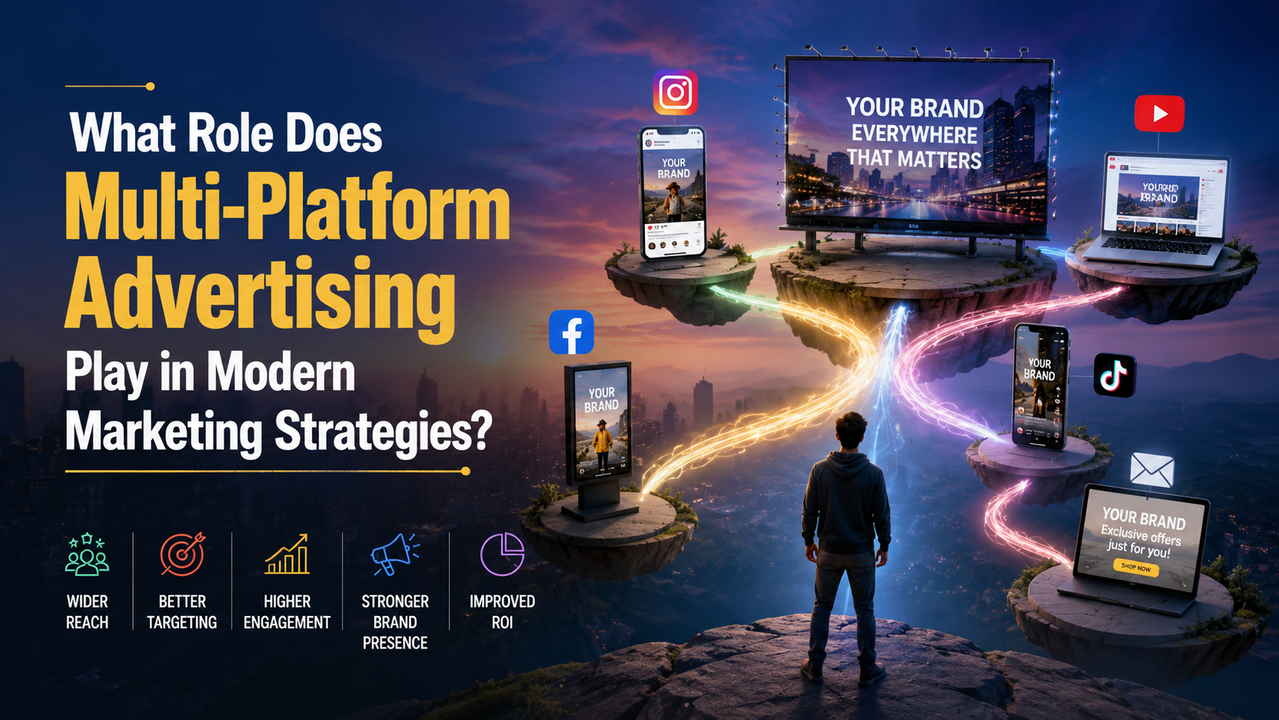
People no longer discover products and services through a single source. A potential buyer may encounter a brand while scrolling through social media, later read online reviews, compare options through search engines, and eventually make a purchase after receiving an email or viewing a video. Because purchasing decisions often develop across several touchpoints, businesses benefit from maintaining a presence in the places where potential customers naturally consume information. This is one reason many organizations invest in multi-platform advertising as part of their marketing strategy. Presenting a unified message through several communication channels helps companies remain familiar to prospective buyers while expanding opportunities for meaningful engagement. Instead of depending on one source of visibility, businesses can create multiple pathways that encourage discovery, trust, and long-term customer relationships.
Why Consumers Interact With Brands Across Different Platforms
Consumer habits have evolved significantly as digital technologies continue shaping how information is accessed and shared. Most people move between websites, social platforms, mobile applications, video content, and online communities throughout the day. As a result, purchasing decisions are rarely influenced by a single interaction. Repeated exposure within different digital environments can strengthen recall and keep a company top of mind when purchasing decisions eventually occur. Someone might first notice a product through a short video, conduct additional research through online searches, and later revisit the brand through another platform before making a decision. Organizations that recognize these patterns can develop communication strategies that align more effectively with modern consumer behavior. Maintaining visibility across several channels also helps businesses remain adaptable as audience preferences change. When consumers shift their attention toward new platforms or content formats, organizations with a diversified presence are often better positioned to maintain relevance.
Building Consistent Experiences Across Channels
One of the most valuable aspects of multi-channel marketing is the ability to create a recognizable and dependable presence. Customers often feel more comfortable engaging with organizations that communicate clearly and consistently regardless of where interactions occur. Consistency does not require identical content on every platform. Instead, businesses can adjust their communication style, content format, and presentation methods while preserving the same core identity and message.

This approach allows organizations to remain appropriate for different environments without losing brand cohesion. A coordinated communication strategy can also reduce confusion among audiences. When visual elements, messaging themes, and value propositions remain aligned, people are more likely to develop a clear understanding of what a company represents and how it differs from alternatives.
How Multi-Platform Strategies Improve Marketing Performance
Many businesses discover that multi-platform advertising creates additional opportunities to connect with audiences who consume information in different ways. Some individuals respond best to visual content, while others prefer written information, educational resources, or interactive experiences. A diversified strategy allows organizations to communicate through formats that match varying audience preferences. Marketing teams can also evaluate performance across several channels and identify which approaches contribute most effectively to desired outcomes. Expanding communication efforts across multiple channels can create additional opportunities to attract attention, encourage participation, and support long-term business objectives. Rather than relying heavily on a single source of traffic or engagement, businesses can distribute their efforts more strategically and reduce dependence on any one platform. This broader approach often contributes to stronger visibility and more resilient marketing operations over time.
The Future of Connected Advertising Ecosystems
Marketing technologies continue evolving in ways that make channel coordination more effective and measurable. Organizations now have access to advanced tools that help track interactions, analyze performance patterns, and deliver more relevant communication experiences. Rather than viewing individual platforms as separate marketing destinations, many organizations now treat them as interconnected components of a broader communication ecosystem designed to support consistent audience experiences. This perspective encourages greater alignment between channels and improves the overall effectiveness of marketing efforts. As technology advances, businesses will likely gain even more opportunities to personalize communication while maintaining consistency across multiple environments. Organizations that remain flexible and responsive to changing audience behaviors will be better prepared to adapt to future developments.
You can also watch: How to Create a Free AdsGPT Account | Step-by-Step Sign-Up Guide
Conclusion
Building awareness in a fragmented media landscape requires organizations to communicate beyond a single platform. People encounter information through numerous digital destinations, making coordinated outreach increasingly valuable. A carefully structured multi-platform advertising approach enables companies to remain visible across different audience touchpoints while supporting stronger communication outcomes. Businesses that successfully align their messaging across multiple environments are often better prepared to adapt to changing market conditions and pursue long-term growth opportunities.
FAQs
What is multi-platform advertising?
Multi-platform advertising is a marketing approach that promotes products, services, or brands across several communication channels, helping organizations reach audiences wherever they spend time online.
Why do businesses use multi-platform advertising?
Businesses use it to increase visibility, improve message consistency, and create more opportunities for potential customers to discover and engage with their offerings.
Does multi-platform advertising require a large budget?
Not necessarily. Organizations can start with a small number of channels and expand gradually as they learn which platforms generate the most value and audience response.